Supermarket premium ranges match the brands beside them on design and quality. The contest on the shelf is no longer about price.
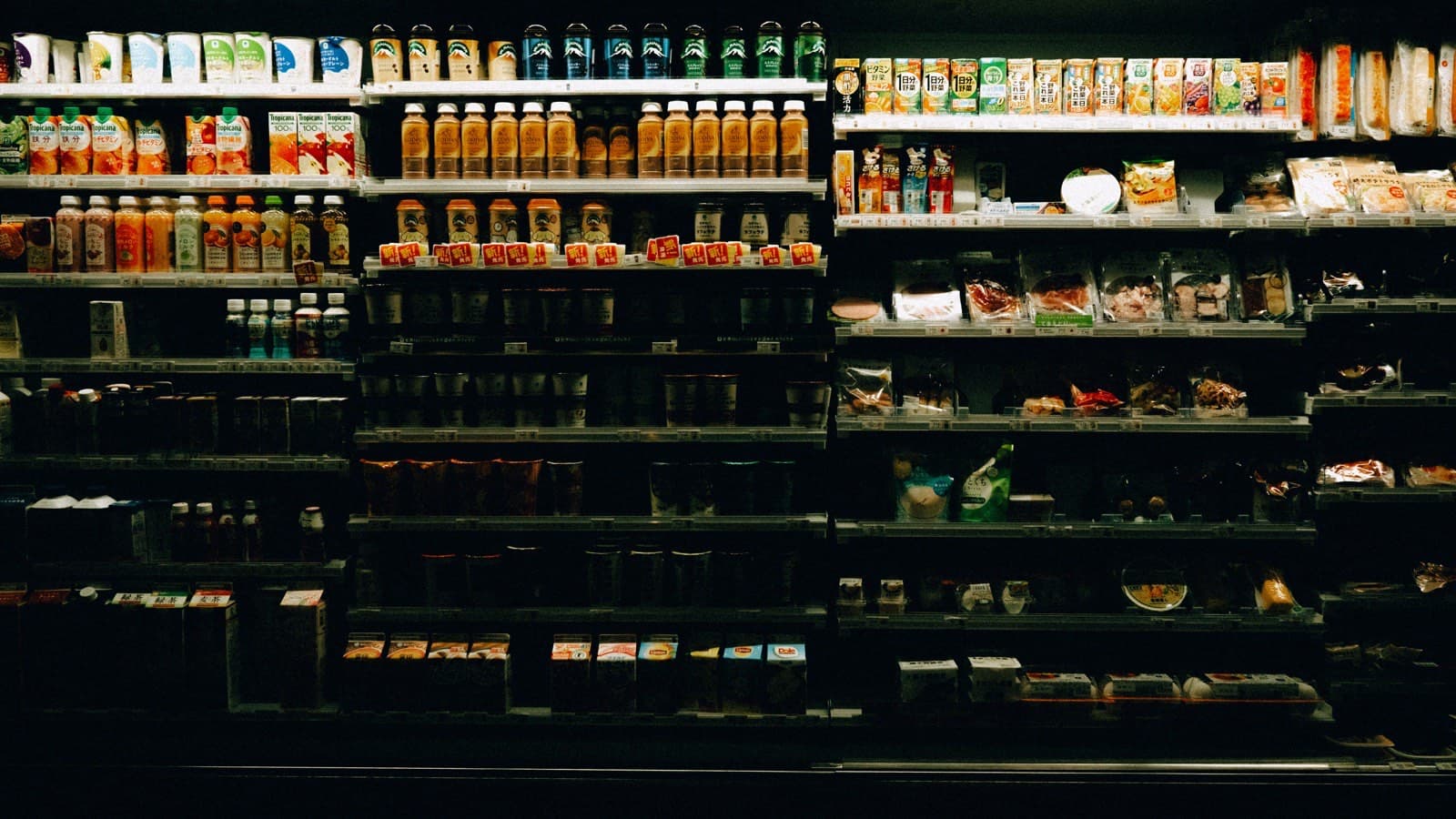
The plain white own-label pack, bought when money was tight and pushed to the back of the cupboard, is gone. What replaced it is quietly better looking than the brand sitting next to it. Walk the chilled aisle and the supermarket premium tiers are at eye level, priced under the national name beside them, and dressed like someone actually cared. The value signal has inverted. On a lot of shelves the own-label pack is now the one that looks aspirational, and the brand is the one that looks tired.
None of this was an accident. Retailers worked out that own label is where the margin lives, so they put real product and design money behind it. The premium tiers got proper food development, named provenance, sharper photography and packs that borrow the visual language brands spent decades building. The best of them do not apologise for being own label. They out-dress the brand they were copied from. A shopper standing in front of both now sees two credible options, one of them a couple of quid cheaper.
The brands, mostly, are still running the old playbook. They price on the belief that the name carries a premium the shopper will keep paying, and they treat own label as the poor relation it stopped being years ago. Inflation finished the job. When budgets tightened, millions of shoppers traded into premium own label, tried it, and found the ready meal or the bottle of gin was genuinely as good. That is the bit the brand teams keep skating over. Those shoppers did not trade down out of hardship. They traded across, and they have not come back.
Beneath the design story sits a harder structural truth. The retailer owns the shelf, sets the range, and reads every basket through the loyalty card. When a brand launches something that lands, the buyer can brief a version of it into the premium range and have it on shelf within a season, priced below the original, knowing from the data exactly which shoppers to aim it at. The brand is playing a rival that can see its hand and owns the table.
So the question for any brand in grocery is no longer how to defend the premium. It is whether the premium is still real. Go through the range line by line and be honest about which products a retailer genuinely cannot copy and which are parity in a nicer wrapper propped up by an ad budget. Defend the first group with the product itself, not with noise. On the second group, stop paying to advertise a benefit the shopper can now buy for less two facings along, and decide whether you are a brand or a manufacturing partner. Both are real businesses. Running the second one while telling yourself it is the first is what quietly bleeds the margin away.